Adoption

Adoption Application

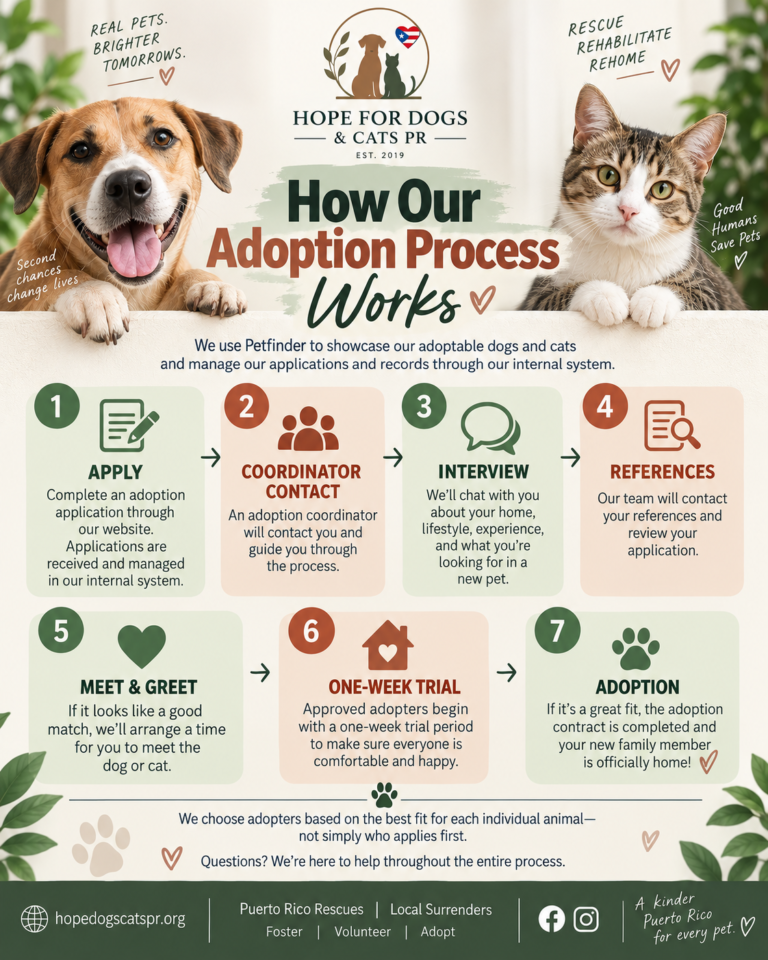
So you’re considering adopting a pet? We have an online application that we ask all perspective adoptive parents to submit. The document contains all current fees and policies.

Ready For Forever-Homes

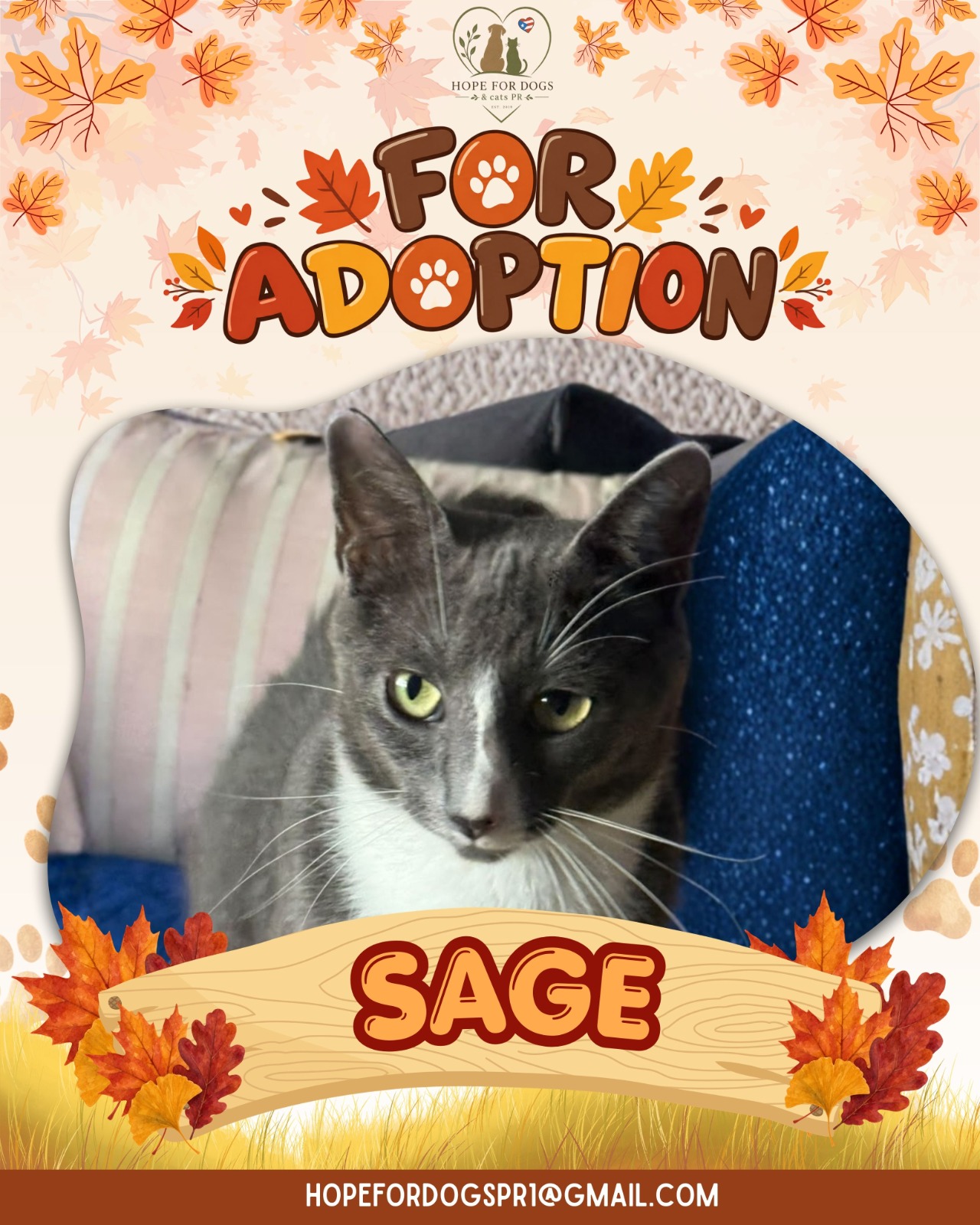
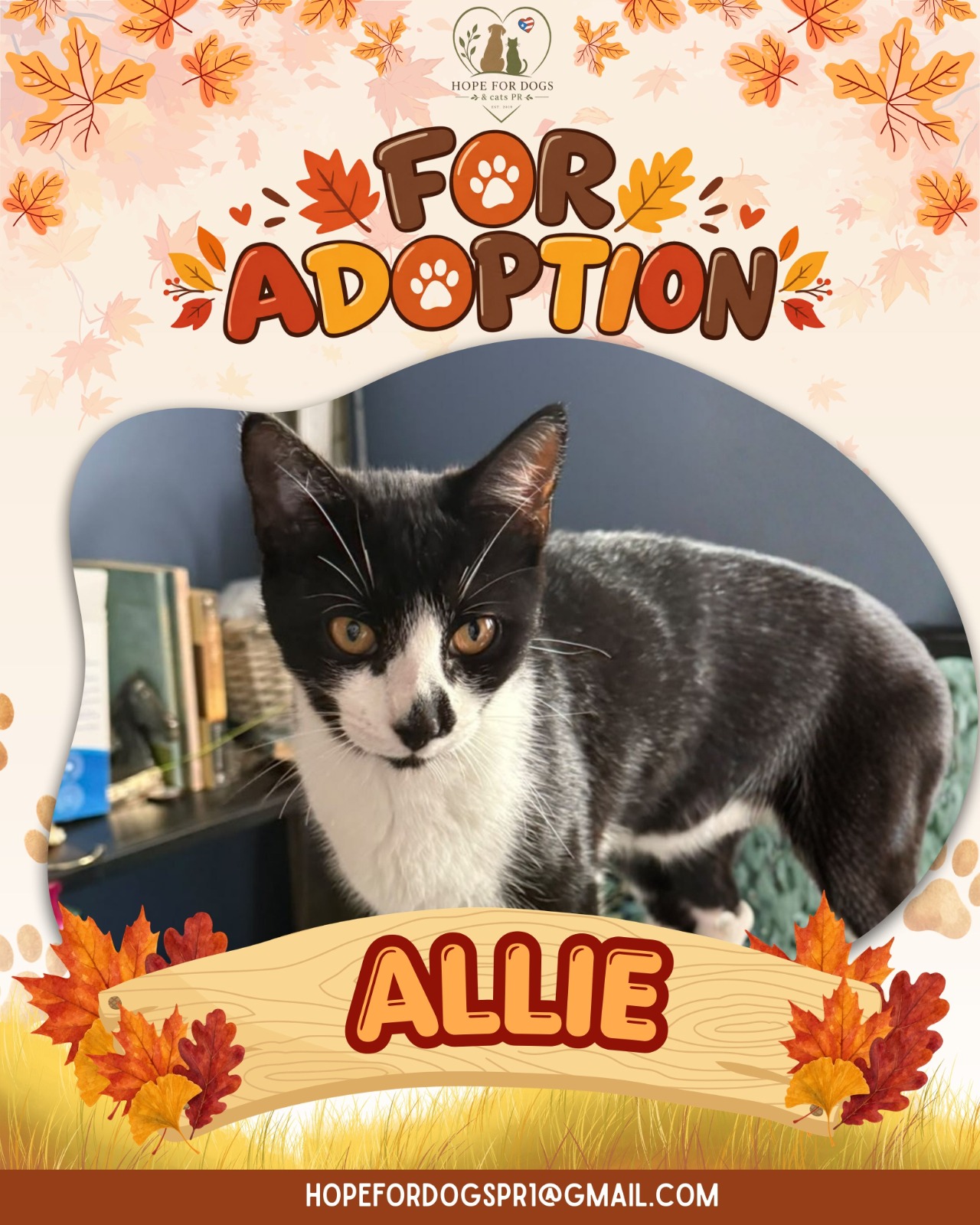
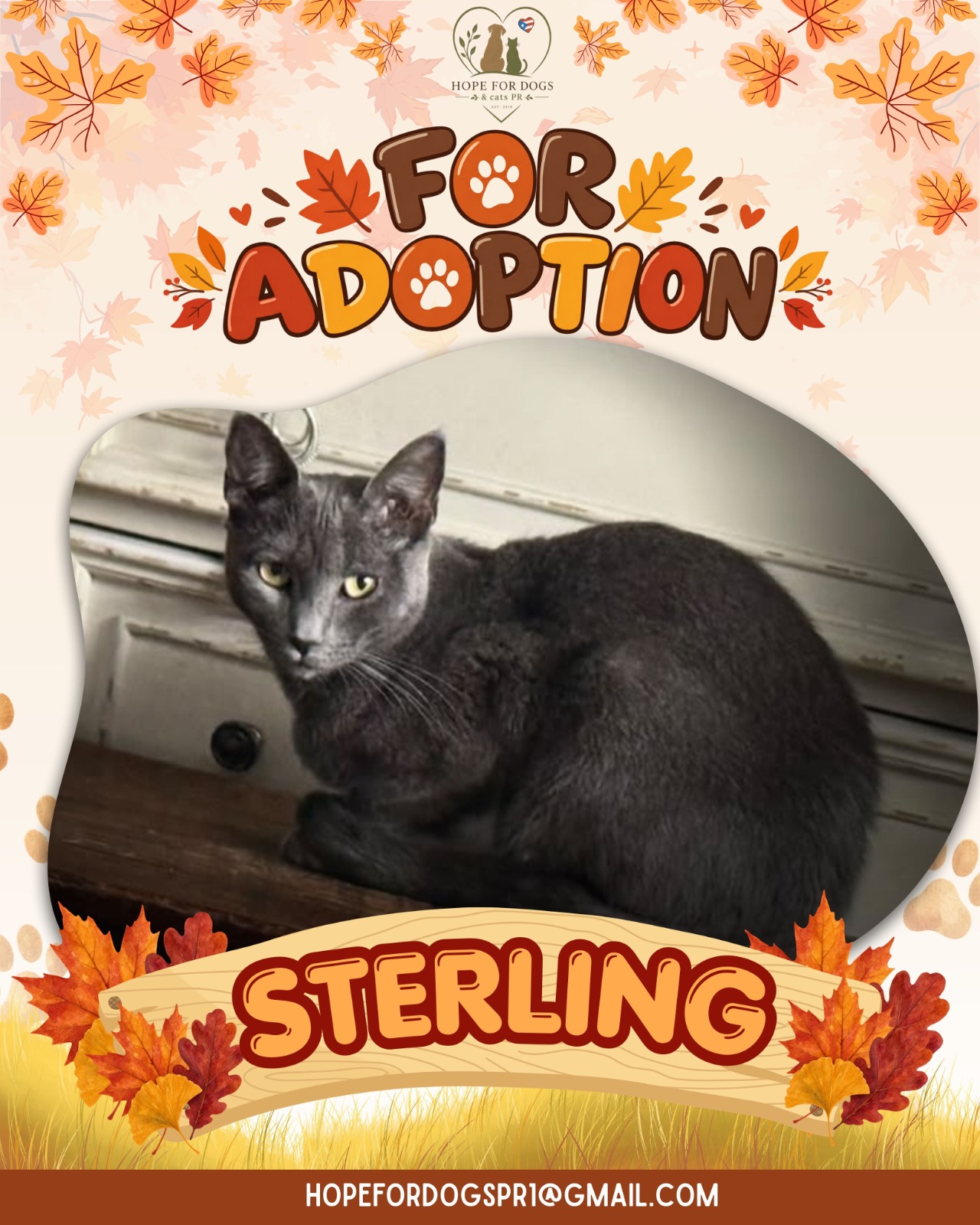
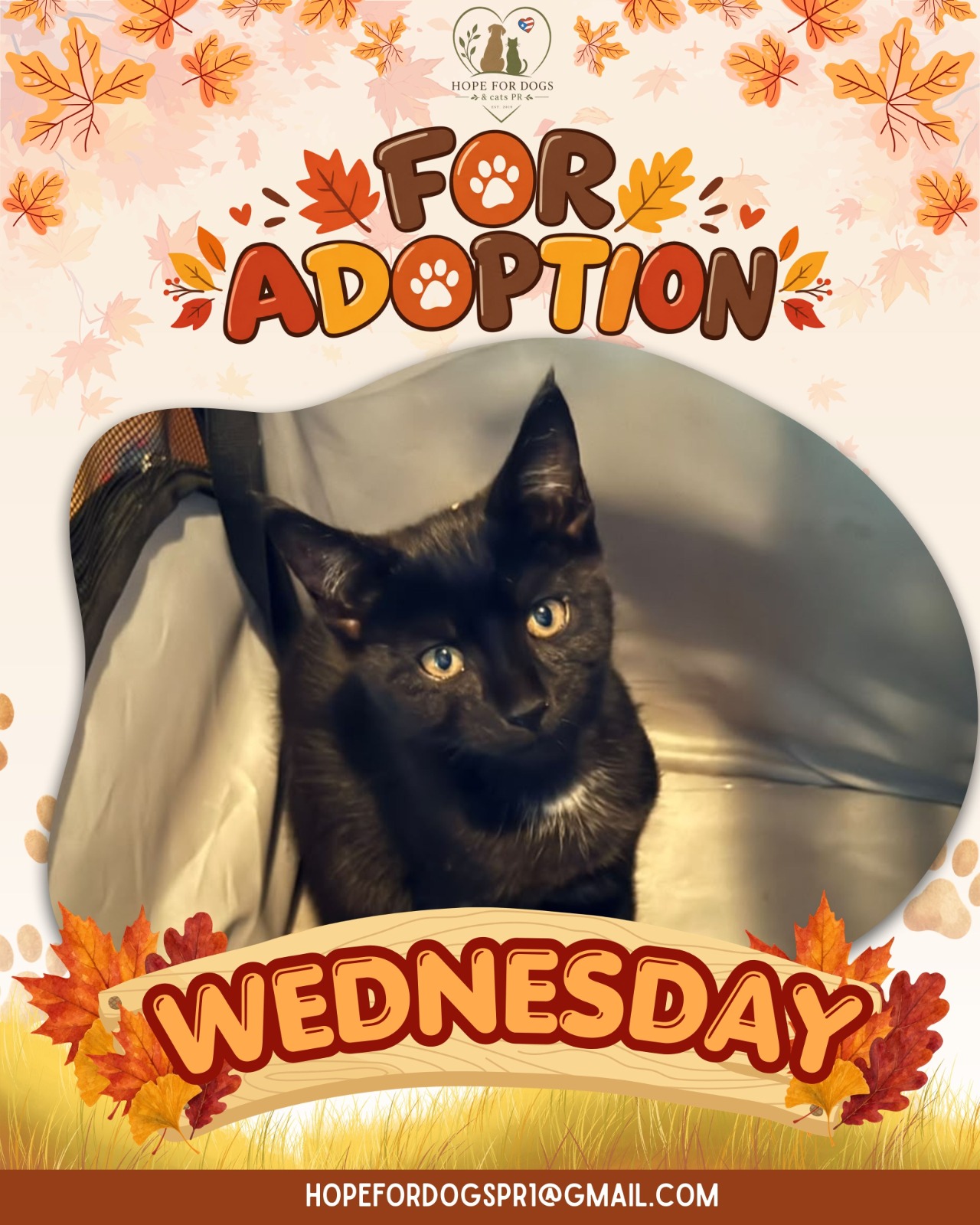
The featured pets below are currently available and further details can be found by clicking or touching their picture… 

Tips For New DOG Parents

Initial Adjustment
  • Your dog may be shy at first. This is normal.
  • Create a quiet safe space with bedding and water. Avoid overstimulating stressful activities (e.g. visitors, dog parks and busy outings)
  • As a general guide:
    • First 3 Days – Rest & Observe
    • First 3 Weeks – Establish Routine
    • First 3 Months – Build Confidence
  • Feed, walk, and sleep on a consistent schedule.
  • Set rules early, and train all members of the household to enforce rules consistently.
  • Consider recommended crate-training, known to help dogs feel more secure.
  • Your new dog can frighten easily outdoors. Do not allow them off-leash unless they’re in a fully fenced area. If your dog does get loose:
    • Walk in the opposite direction
    • Sit down or “play dead”
    • Contact us immediately.
  • Avoid use or training of the command “Come”, without a full understanding of training techniques and a long leash to ensure they never fail in practice. 100% reliably responding to “come”, may save their lives some day.
  • Schedule a first vet visit immediately.
  • Learn about and discuss diet & nutrition.
  • Worm again as suggested by the rescue.
  • Provide daily exercise, affection, and mental stimulation.

We are vested in your success! Please don’t hesitate to contact us should questions arise.

Tips For New CAT Parents

  1. Your cat will likely be stressed and hide at first. This is normal, and patience is key. Don’t rush interaction and affection, let them set the pace to build trust.
  2. Create a quiet safe room or at least space, with a bed, food and water, a scratching post and a litter box (unscented litter) not too close.
  3. Avoid overstimulating stressful activities. Let them explore their new home independently.
  4. Pheromone diffusers (e.g. Feliwayare incredibly effective for calming fear, stress, and anxiety, especially if there are other pets in the household.
  5. If the home is shared with other pets, learn how to properly and slowly integrate them, from any number of resources.
  • Feed, play and sleep on a consistent schedule.
  • Set rules early, and train all members of the household to enforce rules consistently.
  • Enforce boundaries by consistent repeated positive corrections or distractions rather than shouting, scaring, spray bottle or other negative discipline which only serve to teach your cat to fear you. For example:
    • Cat caught on counters or undesirable places – > gently pick them up and place them on the floor. Perhaps distract with a toy. Repeatedly. (Be as patient the first time as the tenth time.)
    • Cat scratching furniture -> gently pick them up, bring them to nearest scratching post (sprinkle some catnip there.) Repeatedly...
  • Address any behavioral challenges quickly, and contact us if unsure how.
  1. Use a secure cat carrier for any travel or outdoors. Travel is stressful, and a scared cat will often bolt if opportunity arises.
  2. Keep cats indoors unless leashed or contained in a secure carrier. Cats with outdoor access have shortened lives (2-5 yrs average) and often suffer a violent end. Cats live happy full lives indoors with proper care and engagement (12-17 yrs avg).
  3. Many houseplants and cut flowers are highly toxic to cats. Lilies, cyclamen, pothos, and marijuana, to name a few. Keep these inaccessible to cats.
  4. Toxic household cleaners and essential oils can easily be ingested by cats walking on surfaces with chemical residues then cleaning themselves, or you. Ensure any residue is removed from all surfaces your cat may touch. (White vinegar is an inexpensive effective and non-toxic cleaner!)
  1. Schedule a first vet visit immediately.
  2. Cats are obligate carnivores requiring primarily animal protein, unlike dogs. Learn about cat diet and nutrition.
  3. Provide fresh clean water preferably in a fountain(s) located AWAY from food bowls and litter boxes. Cats are instinctually drawn to the sound of running water. Good hydration reduces risk of Chronic Kidney Disease (CKD) and expensive vet bills  later in life.
  4. Provide daily play for physical exercise, mental stimulation, bonding and to satisfy your cat’s instinctual need to hunt.

We are vested in your success! Please don’t hesitate to contact us should questions arise.

Join us!

Subscribe to our newsletter to receive updates on upcoming community events and fundraisers and opportunities to get involved with our group. We’ll keep you informed without overwhelming your inbox. Expect only occasional emails, and rest assured that your information will remain private.